The Future of Remote Work: Trends to Watch in 2026
Remote Work: The New Normal
By 2026, remote work has evolved from a pandemic necessity to a strategic advantage. Companies that embrace distributed teams are accessing a global talent pool and reporting higher productivity levels.
Hybrid Models Dominate
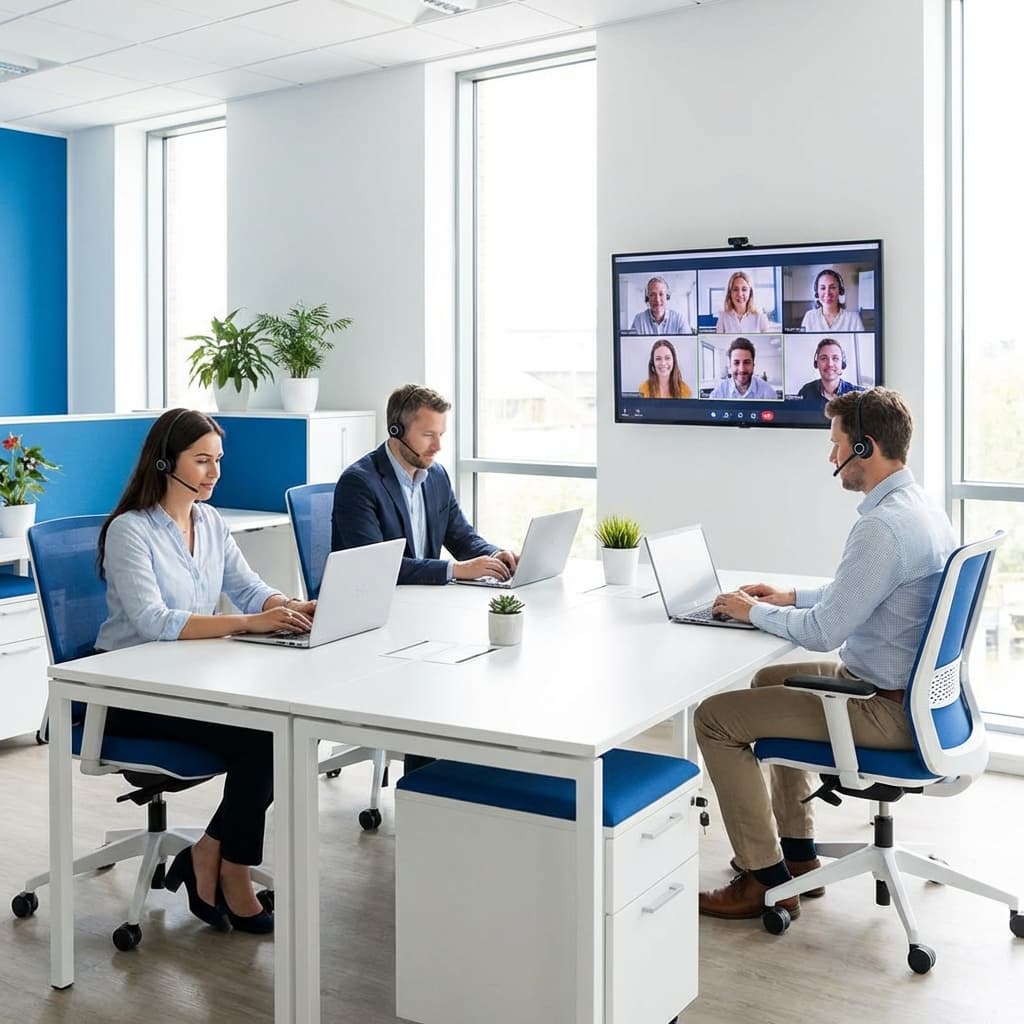
The "all-or-nothing" approach is fading. Most organizations are adopting hybrid models that offer the flexibility of remote work combined with the collaboration opportunities of in-office days. This balance is proving crucial for maintaining company culture while respecting employee autonomy.
The Digital Nomad Lifestyle
With improved connectivity and digital tools, more professionals are choosing to work from anywhere. This has led to the rise of "workcations" and a rethinking of traditional benefits. Companies are now offering travel stipends and co-working memberships as standard perks.
Tools for Collaboration
As teams become more dispersed, the reliance on collaboration tools has skyrocketed. From virtual whiteboards to immersive VR meeting rooms, technology is bridging the physical gap, making remote collaboration seamless and engaging.
The future belongs to organizations that can build a cohesive culture across digital boundaries. Trust, communication, and the right technology stack are the pillars of a successful remote-first strategy.